

Water and wastewater treatment specialist
Nitin Parmar
A domain expert with more than 30 years in water and wastewater treatment, and the engineer behind Water Wizard.
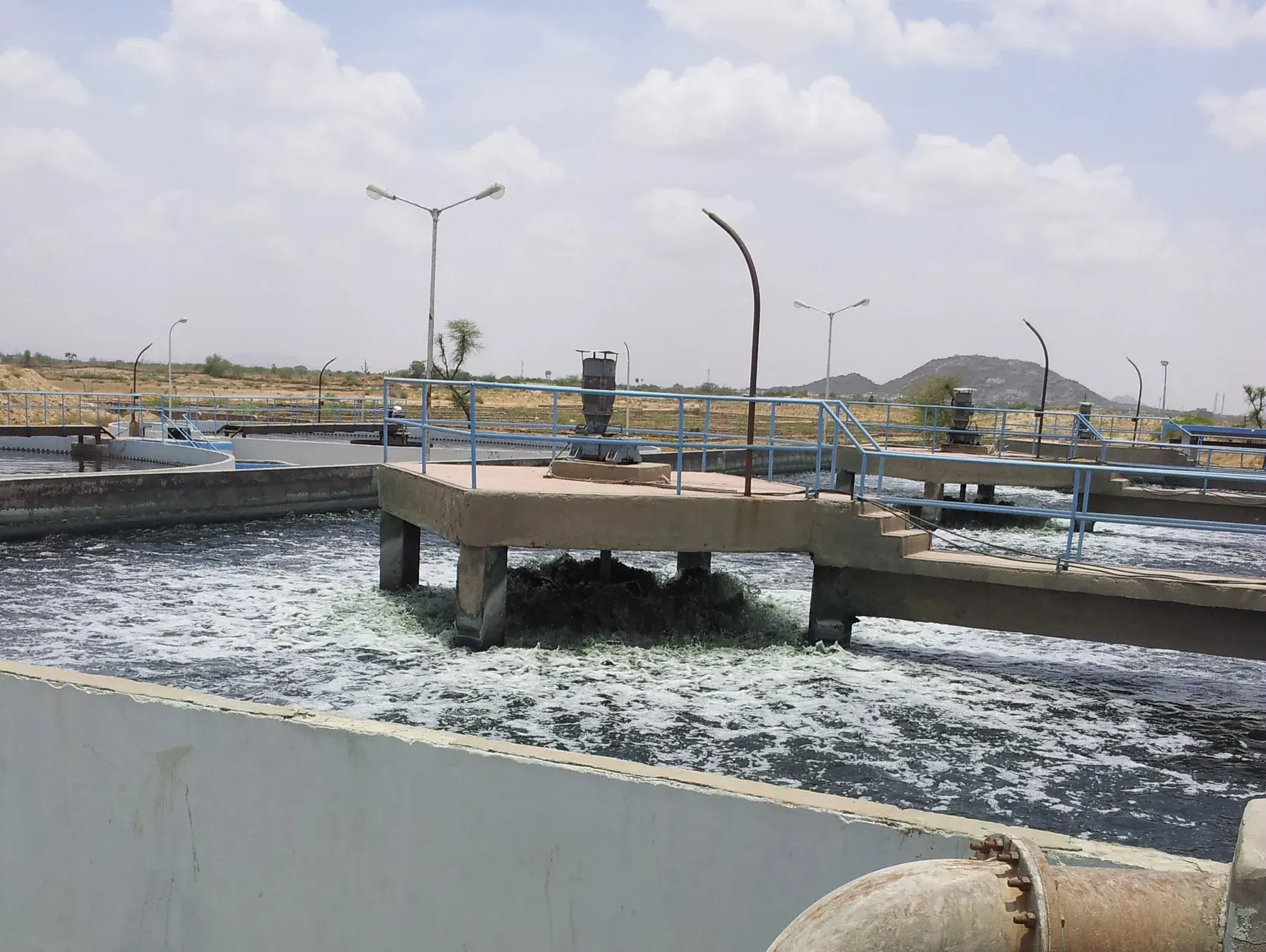

- in water and wastewater treatment
- STP · ETP · WTP · RO · ZLD
- project and export exposure beyond India
- understands the problem before prescribing
Three decades inside treatment plants.
Across sewage, effluent and water treatment, reverse osmosis and zero liquid discharge, in India and abroad. It is the depth Water Wizard’s diagnoses draw on.
Processes
- AerationBIO
- ClarificationSEP
- DAFSEP
- MBBRBIO
- MBRBIO
- SBRBIO
BIO: biological treatment · SEP: solids separation · DAF: dissolved air flotation
Exposure
Project and export work beyond India. Based in Vapi, Gujarat; travels to plants.
Experience changes what you notice.
Two people can stand at the same tank. One sees a plant that is running. The other sees what to ask next.
Equipment running ≠ process working
Aeration basin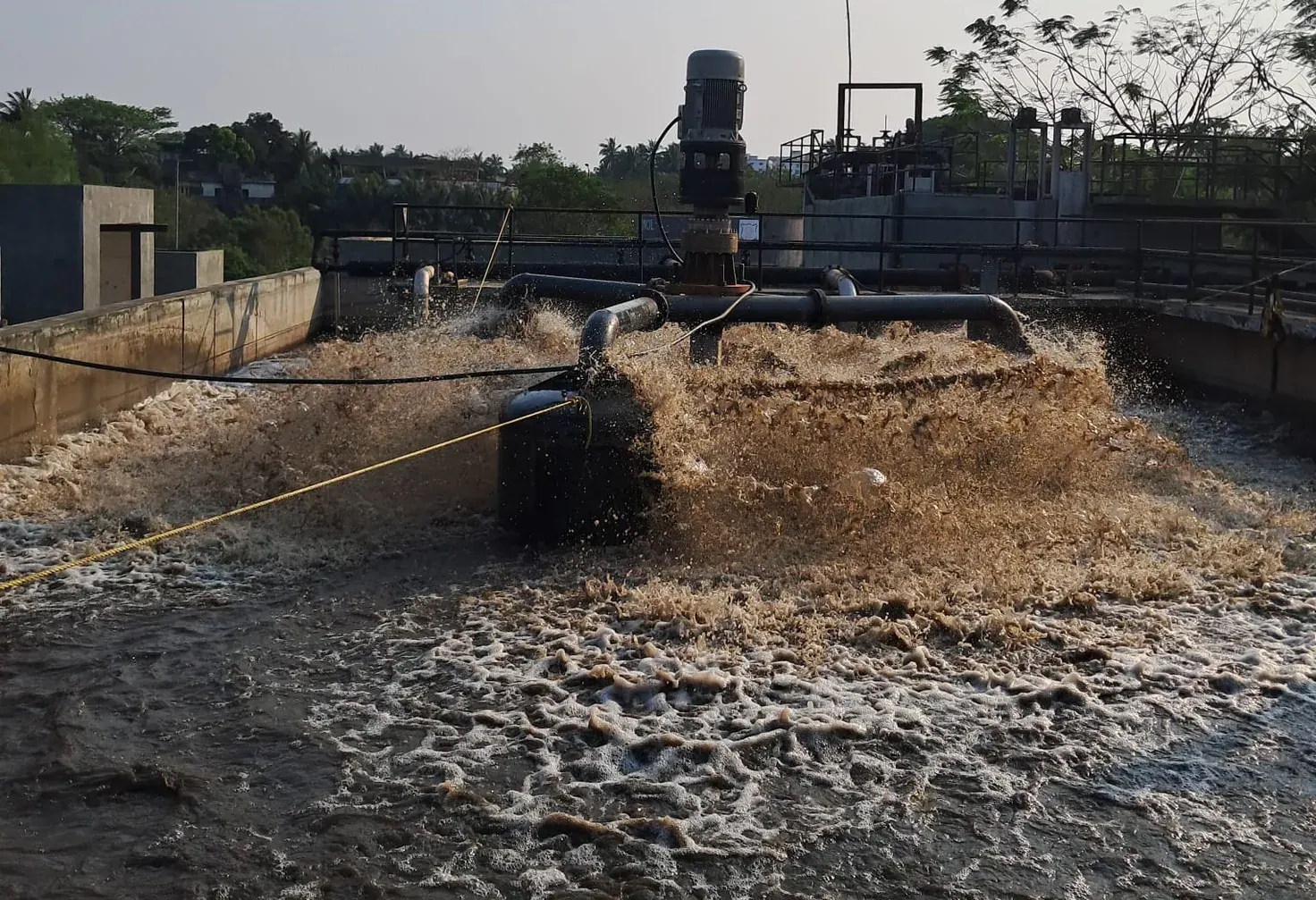
Illustrative: where an engineer would look, not a finding about this plant.
The aerator is on.
That shows the motor is drawing power, not how much oxygen reaches the water.
Look away from the machine.
Is the whole basin moving, or only the water near the aerator?
Read the surface.
Colour, foam and texture, near the machine and far from it.
What has actually been measured, and under what load? Until then, the equipment is neither cleared nor blamed.
Symptoms ≠ causes
Dissolved air flotation unit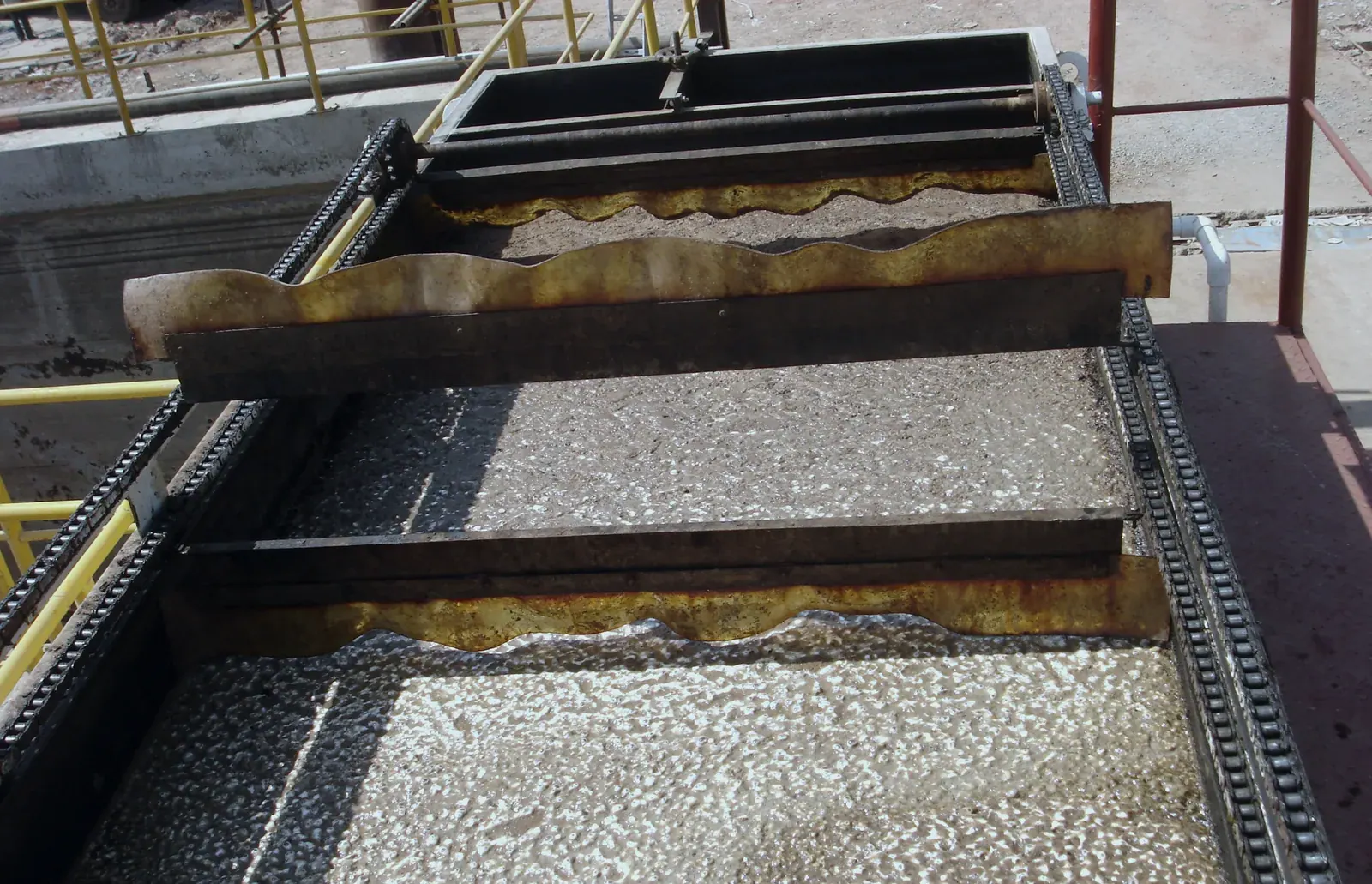
Illustrative: where an engineer would look, not a finding about this plant.
This is where it gets noticed.
The surface is where people start looking, and often where they stop.
The cause is often out of frame.
What arrives at this stage, and has that changed?
Look at what is being removed.
Has it changed? And what else changed that week: load, dosing, a repair?
Treat only the surface, and the symptom comes back one stage further on, looking like a new fault.

Tell him what the plant is doing.
Describe it in your own words. You do not need to know the cause. Finding it is his work.
Sufficiency
- Reported
- Observed
- Measured
- Established
Everything he can tell you right now rests on your account of it. The consultation is what moves a problem off the first rung.